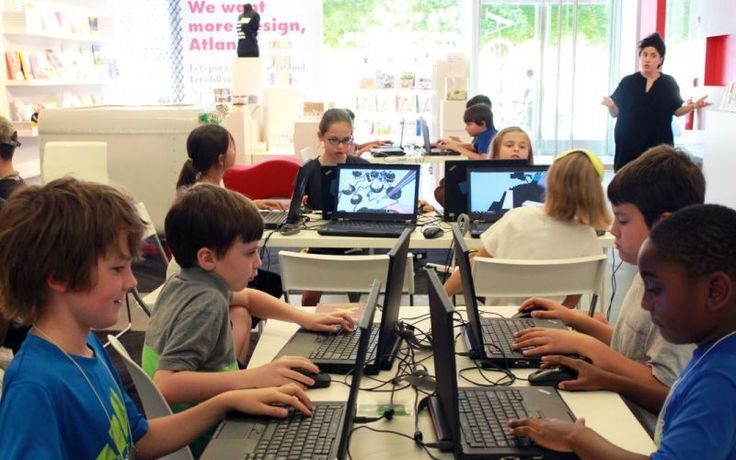
Imagine a place where learning comes alive, where students can dive into hands-on experiences that ignite their curiosity and creativity. Interactive camps offer just that—a captivating blend of education and adventure. These programs are designed to engage young minds in ways traditional classrooms often cannot. By immersing themselves in dynamic activities, students have the chance to explore new concepts while forging lasting connections with peers. As we delve deeper into what makes these interactive camps so valuable for students, you’ll discover the myriad benefits they bring to personal growth and development.
Benefits of interactive camps for students
Interactive camps offer students a wealth of benefits that extend far beyond traditional learning. By immersing themselves in hands-on activities, campers discover new passions and skills while having fun.
These camps foster creativity and critical thinking. Students tackle real-world problems through engaging projects, enhancing their ability to analyze situations effectively.
Another key advantage is the opportunity for personal growth. Being away from home encourages independence and self-reliance. Campers learn to make decisions on their own, building confidence along the way.
Additionally, practical learning school camp experiences create an environment where collaboration thrives. Working alongside peers fosters teamwork skills vital for future success in school and beyond.
The lasting friendships formed during these experiences can also have a profound impact on students’ lives. Sharing challenges and triumphs often leads to connections that endure well past camp’s end.
Hands-on learning opportunities
Interactive camps offer a treasure trove of hands-on learning opportunities. Unlike traditional classrooms, these environments encourage active participation. Students can engage in experiments, crafts, and outdoor activities that ignite their creativity.
At a science-focused camp, for instance, campers might conduct real experiments instead of just reading about them. This practical approach solidifies theoretical concepts by allowing students to see results firsthand.
Artistic camps provide spaces where kids create masterpieces using various mediums. They learn techniques through trial and error while exploring their unique styles.
Nature-based programs immerse students in ecosystems where they can study wildlife up close. Understanding biology becomes an adventure rather than a textbook exercise.
Each experience deepens knowledge through action. Such engagement fosters critical thinking skills and enhances retention far beyond rote memorization often found in traditional education settings.
Building social skills and making new friends
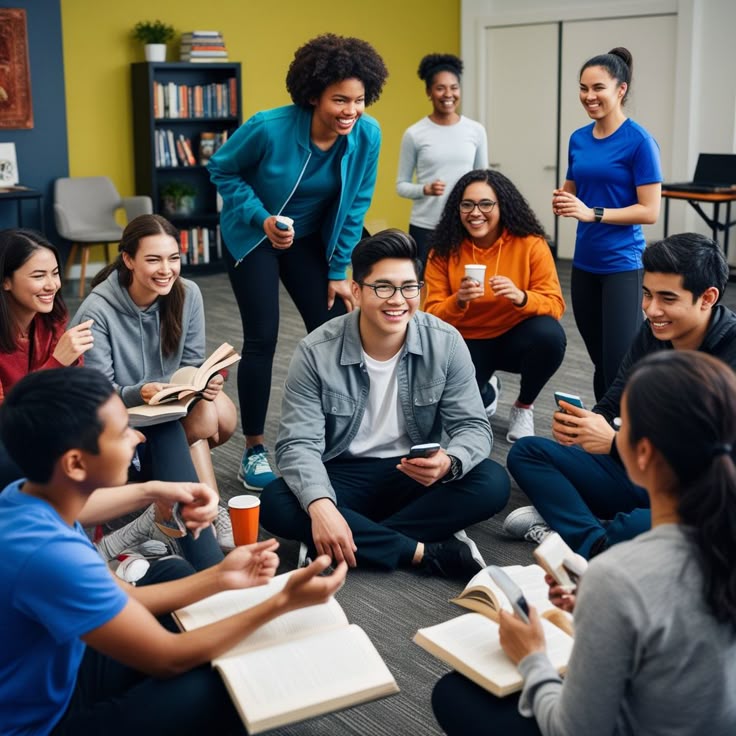
Interactive camps provide a fantastic platform for students to build essential social skills. When kids engage in group activities, they learn the art of communication and collaboration.
Sharing experiences fosters empathy. As campers navigate challenges together, they develop trust and understanding. This dynamic environment encourages them to express themselves openly.
Making new friends becomes effortless as everyone shares common interests. Whether it’s through games, teamwork projects or campfire stories, bonds are created that can last a lifetime. These friendships often transcend geographical boundaries.
Additionally, students gain confidence in their social interactions. They practice initiating conversations and resolving conflicts in healthy ways—skills that will serve them well beyond camp life.
The memories formed during these interactions become cherished moments that shape personal growth and emotional intelligence.
Experiencing new environments and cultures
Interactive camps offer students a fantastic opportunity to step outside their comfort zones. Exploring new environments can ignite curiosity and foster a sense of adventure. Each camp location has its own unique charm, whether it’s nestled in the mountains or by the seaside.
When students immerse themselves in different cultures, they gain valuable perspectives. They learn about local traditions, foods, and languages firsthand. This exposure broadens their understanding of the world around them.
Trying something new can spark creativity and enhance problem-solving skills too. It encourages flexibility as students adapt to unfamiliar surroundings and situations. These experiences shape character and build resilience.
By stepping into diverse settings, campers not only create unforgettable memories but also develop vital life skills that will serve them well beyond their time at camp. Through exploration comes growth—making interactive camps an invaluable experience for every student involved.