Mental health is often an invisible struggle, yet its effects can ripple through every aspect of our lives. Imagine waking up each day feeling uniquely understood, supported in a way that truly resonates with you. This is the essence of personalised mental care—a tailored approach designed to meet your individual needs and challenges.
In a world where one-size-fits-all solutions dominate, personalisation provides a breath of fresh air. It acknowledges that no two journeys are alike and recognizes the importance of addressing mental well-being on an individual level. As we explore this vital subject, you’ll discover how personalised mental care can transform not just your outlook but also your everyday experiences. Let’s dive deeper into what it means to embrace this approach and why it’s essential for our daily lives.
What is Personalised Mental Care?
Personalised mental care is an approach focused on the individual, recognizing that each person’s mental health journey is distinct. It moves away from generic treatments and instead emphasizes tailored strategies that align with your specific needs.
At its core, personalised mental health disability support worker involves understanding your unique experiences, challenges, and preferences. This can include everything from therapy methods to coping techniques that resonate with you personally.
It might encompass a combination of traditional therapies—like cognitive-behavioral or talk therapy—with alternative practices such as mindfulness or creative outlets. The goal is to create a holistic plan that empowers you rather than simply treating symptoms.
This personalized framework fosters deeper connections between practitioners and clients. When individuals feel truly seen and heard, they are more likely to engage actively in their treatment journey, leading to better outcomes over time.
The Impact of Mental Health Issues on Daily Life
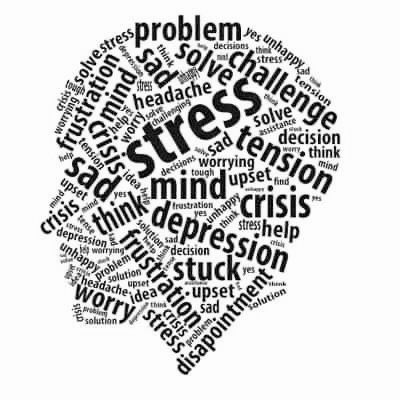
Mental health issues can cast a shadow over everyday experiences. They often manifest in feelings of anxiety, depression, or overwhelming stress.
Simple tasks like getting out of bed or socializing may become daunting challenges. A once-enjoyable hobby might feel burdensome and unappealing.
Relationships can strain under the weight of mental health struggles. Friends and family may struggle to understand what someone is going through, leading to isolation.
Work performance can also suffer as concentration fades and motivation wanes. Deadlines loom larger when your mind feels clouded.
The impact ripples through every aspect of life—affecting physical well-being, emotional stability, and overall happiness. Recognizing these effects is crucial for seeking help and fostering understanding in our communities.
The Benefits of Personalised Mental Care
Personalised mental care tailors support to the individual. This approach recognizes that everyone has different needs, experiences, and challenges. When mental health strategies align with personal circumstances, they become more effective.
One significant benefit is increased engagement in treatment. People are more likely to participate actively when they feel understood and valued. Tailored plans can boost motivation and create a sense of ownership over one’s mental health journey.
Another advantage is the focus on holistic well-being. Personalised care considers various factors—such as lifestyle, environment, and relationships—that impact mental health. This comprehensive view allows for interventions that promote overall wellness.
Moreover, personalised approaches foster stronger connections between individuals and their caregivers. Trust builds when people see that professionals genuinely consider their unique situations. This connection can lead to better outcomes and lasting change in daily life habits.
Different Types of Personalised Mental Care
Personalised mental care comes in various forms, catering to individual needs.
Therapy is a cornerstone. Options include cognitive-behavioral therapy (CBT) and mindfulness-based approaches. Each method targets specific issues, allowing for tailored experiences.
Medication management also plays a role. A psychiatrist can prescribe medications suited to unique symptoms and conditions. Regular check-ins ensure adjustments align with your journey.
Support groups offer community connection. These spaces provide shared experiences and insights, helping individuals feel less isolated in their struggles.
Lifestyle coaching focuses on holistic well-being. Personal trainers or nutritionists can create plans that enhance both physical health and mental resilience through balanced living.
Digital tools are increasingly popular too. Apps designed for meditation, journaling or tracking mood allow users to engage with their mental health daily at their own pace.
How to Incorporate Personalised Mental Care into Your Routine
Incorporating personalised mental care into your daily routine can be both simple and rewarding. Start by assessing your current state of mind. Take a moment each day to reflect on how you feel, what stresses you out, and what brings you joy. This self-awareness is the first step toward tailored mental care.
Consider setting aside time for mindfulness practices such as meditation or deep-breathing exercises. These activities help ground you and improve emotional regulation. You might find that just five minutes a day can make a significant difference in your mood.
Building connections with others is also vital. Surround yourself with supportive friends or family members who understand your needs and encourage open conversations about feelings and experiences.
Journaling can be an effective tool for personalisation too. Write down thoughts, emotions, or even gratitude lists regularly to track patterns over time. This practice not only helps clarify feelings but also highlights areas where change may be beneficial.
If you’re struggling more significantly, don’t hesitate to seek professional guidance tailored specifically to your circumstances—counsellors or therapists often provide bespoke strategies based on individual needs.
Integrate activities that promote happiness into your schedule—hobbies like painting or gardening are excellent stress relievers as they foster creativity while allowing for personal expression. By making small adjustments aligned with what resonates personally, it becomes easier to cultivate a routine that nurtures both mental health and well-being effectively throughout everyday life.