Most jewellery boxes contain at least one item with a complicated balance sheet. Not financially complicated, at first glance. Emotionally complicated. There’s the bracelet that never quite sat right, the chain from a past relationship, the single earring waiting heroically for its missing twin, the inherited ring that feels too meaningful to wear and too valuable to ignore.
These are the “maybe one day” pieces. Maybe one day they’ll suit your style again. Maybe one day they’ll be repaired. Maybe one day someone in the family will want them. Maybe one day gold prices, fashion, memory and motivation will all line up perfectly.
The question is whether “maybe one day” is quietly costing you more than you think. For anyone weighing up 18k gold selling options beyond pawn shops, the decision isn’t only about getting cash for unused jewellery. It’s about recognising dormant value, reducing clutter and making a practical choice without treating sentiment as an inconvenience.
The Hidden Value Sitting Still
Gold jewellery is different from most things we store away. An unworn dress loses relevance. A forgotten gadget becomes obsolete. Gold, especially 18k gold, retains material value independent of whether the design is fashionable, wearable or intact.
That matters because many people assess jewellery through the wrong lens. They ask, “Would I wear this?” or “Does this still look good?” Those questions are useful, but incomplete. A broken chain, outdated pendant or mismatched piece may no longer work as jewellery, yet still hold value as precious metal.
This is where the economics become interesting. A jewellery box can become a miniature archive of underused assets. Not everything in it should be sold, of course. Some pieces deserve to stay exactly where they are. But when an item has no practical role, no real emotional pull and no realistic future use, keeping it can become a default habit rather than a conscious decision.

Sentiment Has Value, But Not Every Piece Is Sentimental
One reason jewellery lingers is that people treat every item as though it carries the same emotional weight. It usually doesn’t.
There’s a clear difference between a grandmother’s ring worn for decades and a necklace bought during a phase you’ve since outgrown. There’s a difference between a wedding band tied to a living family story and a tangled chain you forgot you owned until last weekend. When everything is labelled “sentimental”, nothing is properly evaluated.
A useful approach is to separate jewellery into three categories: pieces you wear, pieces you cherish, and pieces you’re simply storing. The third group is where the “maybe one day” economy lives. These items aren’t loved enough to display, worn enough to justify space, or planned for clearly enough to become future heirlooms.
That doesn’t make them worthless. It means their worth may be better realised in another form.
The Opportunity Cost of Keeping Everything
Opportunity cost sounds like the sort of phrase that belongs in a spreadsheet, not beside a velvet-lined jewellery tray. Yet it applies neatly. Every unused gold piece represents value locked away. That value might help pay a bill, fund a repair, support a holiday, reduce debt, or simply become money you can use now.
There’s also a mental cost. Clutter isn’t always visual chaos. Sometimes it’s a series of unresolved micro-decisions. A jewellery box full of “maybe” items asks the same questions every time you open it: should I fix this, sell this, keep this, pass this on, or keep avoiding the decision?
Selling unwanted jewellery can feel surprisingly clarifying. Not because everything should be reduced to cash, but because making a decision restores order. The piece has served its chapter. Its value moves forward.
Why Pawn Shops Aren’t the Only Path
Many people assume selling gold means walking into a pawn shop, accepting a quick offer and leaving with a faint sense that they could’ve handled it better. That assumption can prevent them from acting at all.
In reality, there are more considered ways to approach gold selling. The quality of the assessment matters. The transparency of the process matters. Understanding purity, weight and current gold value matters. So does feeling that the transaction is based on evaluation rather than urgency.
This is particularly relevant for 18k gold, which contains a higher gold content than lower-karat pieces and may warrant a more careful appraisal. A rushed sale can undersell the value of what you have. A better process gives you information first, then options.
The Repair, Redesign or Sell Question
Not every unused piece should be sold. Some jewellery is worth repairing. Some can be redesigned into something wearable. Some should be passed down, even if it sits untouched for another generation.
The practical test is whether you’re genuinely willing to act. If you’ve been planning to repair a bracelet for seven years, the plan may not be a plan anymore. If redesigning a ring would cost more than you’re comfortable spending, it may be an idea rather than a likely outcome.
Selling becomes sensible when the piece no longer fits your life, the emotional connection is weak, and the material value is stronger than the likelihood of future use. It’s not a failure to let it go. It’s an economic decision with a personal dimension.
Turning “Maybe One Day” Into a Clear Choice
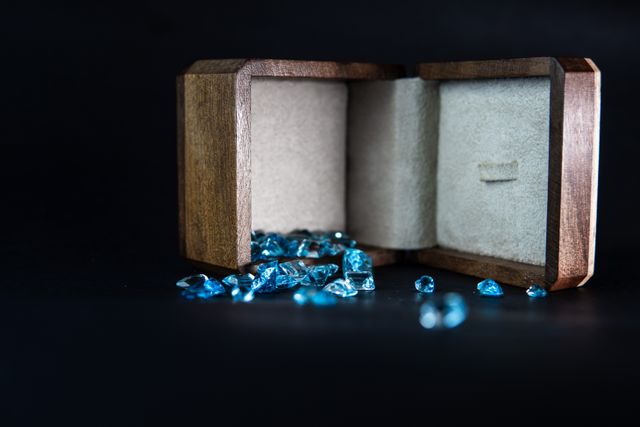
A jewellery box doesn’t need to become a financial strategy session. But it’s worth reviewing with fresh eyes. Take everything out. Untangle the chains. Identify what’s broken, duplicated, unworn or inherited without real attachment. Then decide what each piece is doing there.
Keep what you love. Wear what deserves daylight. Repair what you’re genuinely committed to repairing. For the rest, consider whether the value trapped in the item could serve you better elsewhere.
The economics of a jewellery box full of “maybe one day” pieces isn’t just about gold prices. It’s about attention, space, memory and usefulness. Some items earn their place through beauty or meaning. Others are simply waiting for permission to become something more practical.
Sometimes the smartest financial move is sitting quietly in a drawer, disguised as an old chain you haven’t worn in a decade.