The most frequent and preventable food safety failure in commercial kitchens is cross-contamination. It does not make a sound. Bacteria from raw poultry on a chopping board can transfer to a ready-to-eat salad prepared on the same surface. The food may look unchanged, but the resulting outbreak is detectable, reportable, and, in most cases, preventable. Colour coded chopping boards help make that transfer structurally impossible through consistent daily practice. The system is familiar to most food businesses in Australia. Few operate it with the level of discipline that food safety law expects.
How Does the Colour Code System work in Australia?
No single piece of Australian legislation requires a specific colour code for commercial kitchens. The HACCP Australia recommended system has become the de facto industry standard through widespread adoption and the expectations of food safety inspectors.
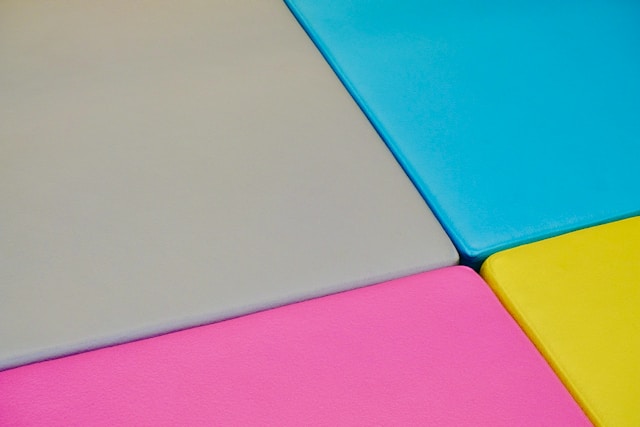
The common colour allocation is:
- Red for raw meat
- Blue for raw seafood
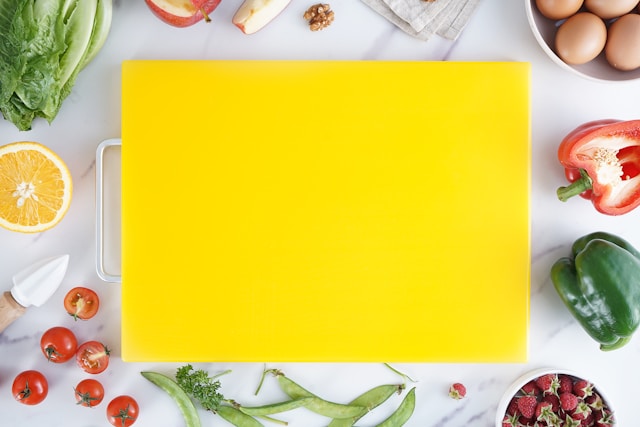
- Yellow for raw poultry
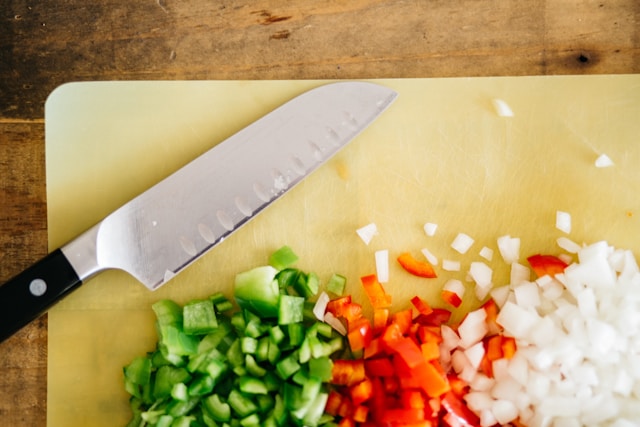
- Green for fruit and vegetables
- Brown for cooked meat
- White for dairy and bakery products
The six-colour system is not designed to provide dedicated separation for allergen-containing ingredients. Many commercial kitchens now add a seventh colour, purple, to improve allergen management. One point made clear by the NSW Food Authority is that the specific colours are less important than consistency. A business can reverse the colours, such as assigning red to raw poultry and yellow to raw meat. The system remains compliant if the allocation is documented, clearly displayed, and consistently followed by all staff. The system must be practical, not simply decorative.
The Right Material for a Commercial Environment
In Australia, wooden chopping boards generally cannot be sanitised to the standard required for commercial food preparation. The issue is microbiological rather than aesthetic. Wood is porous, allowing moisture to penetrate the surface. Bacteria can survive inside the material even after washing with hot water and detergent. Glass is also unsuitable for commercial food preparation. Government food safety authorities and HACCP Australia recommend materials that can be consistently sanitised to commercial hygiene standards. Commercial-grade chopping boards are manufactured from polypropylene or HDPE. These materials are non-absorbent, impervious, and able to withstand the high-temperature dishwasher cycles used in commercial sanitisation. The use of food-grade colourants is also important. Some pigments used in lower-quality plastics may contain compounds that are unsuitable for food contact. Purchasing boards that are HACCP Australia certified or documented as food-grade polymer removes that risk.
When Boards Become a Liability?
A new polymer chopping board is generally safe. A heavily scored board may no longer be. High-temperature dishwashers and chemical sanitisers cannot always reach deep knife grooves where bacteria may remain protected. A board that has accumulated months of deep scoring cannot be cleaned as effectively as a new surface. The NSW Food Authority advises that damaged boards should be replaced once they can no longer be cleaned effectively. They should not simply be washed more aggressively or reassigned to lower-risk food preparation tasks. High-volume commercial kitchens should treat chopping board replacement as a routine operating expense rather than waiting until severe visible damage appears. Commercial-grade sets from Fildes Food Safety and Alpha Catering Equipment are available throughout Australia with dishwasher compatibility and microbial resistance ratings. Nisbets Australia also supplies complete HACCP colour-coded sets suitable for both small and large commercial kitchens.
The Part the Board Cannot Do Alone
Food safety does not begin and end with a colour-coded chopping board system. The boards are only effective when staff consistently use the correct one. The system fails as soon as a busy kitchen worker reaches for the nearest board instead of the correct colour. During busy service periods, that pressure is always present. Real compliance comes from routine behaviour. Staff should automatically select the correct board without needing to stop and think each time. The Australian Institute of Food Safety (AIFS) provides nationally accredited food handler training that teaches colour coding as a standard workplace habit rather than something staff need to check on a chart. This training creates a documented and auditable foundation. It also supports businesses seeking HACCP certification, as inspectors expect evidence that procedures are both documented and consistently followed. Visual reminders reinforce these habits. Colour-coded chopping board charts are available from AIFS and industry suppliers, including foodsafety.asn.au. Combined with regular refresher training and a documented board replacement schedule, the colour system becomes an effective reinforcement tool rather than the primary control. The colour code itself is simple. Applying it consistently, every day and without exception, is what protects food safety.