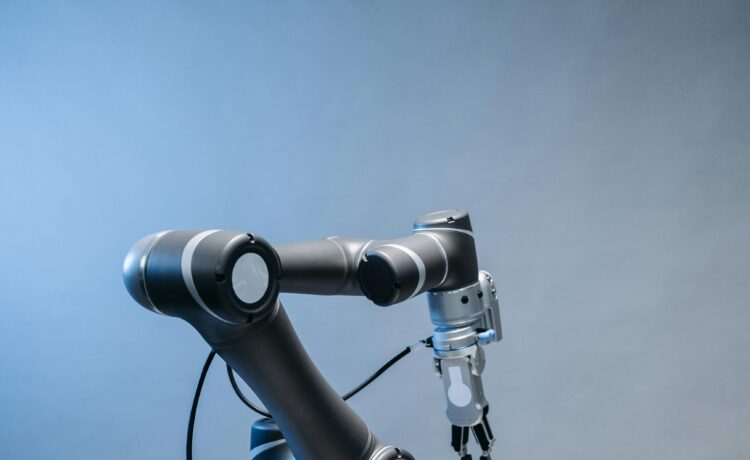
The demolition industry is undergoing a remarkable transformation. Gone are the days when heavy machinery and human labor reigned supreme in tearing down structures. Today, robotic technology is taking center stage, reshaping how we think about demolition projects. With innovations that enhance efficiency and safety, robots are not just tools; they’re revolutionizing the entire process.
Imagine a world where intricate tasks can be performed with precision while minimizing risks to workers on-site. This isn’t science fiction—it’s happening right now as robotics integrates seamlessly into various aspects of demolition work. As these technologies advance, they promise to change the landscape of construction and deconstruction alike.
Curious about what this means for future projects? Let’s dive deeper into how robotic technology is changing the game in the demolition industry.
Advantages of Using Robots for Demolition
Demolition Robot Services technology is transforming the demolition landscape. One major advantage is efficiency. Robots can work faster than human crews, completing tasks in a fraction of the time.
Safety is another critical benefit. Dangerous jobs are often relegated to machines, reducing the risk of injury for workers. With robots handling hazardous materials and heavy debris, job sites become significantly safer.
Precision plays a vital role as well. Robots are equipped with advanced sensors and tools that allow for accurate dismantling without damaging surrounding structures. This level of control minimizes collateral damage during projects.
Cost-effectiveness also cannot be ignored. Although initial investments may seem high, reduced labor costs and quicker project completion lead to substantial savings over time.
Environmental impact comes into play; robotic systems can recycle materials more effectively than traditional methods, promoting sustainability in demolition practices.
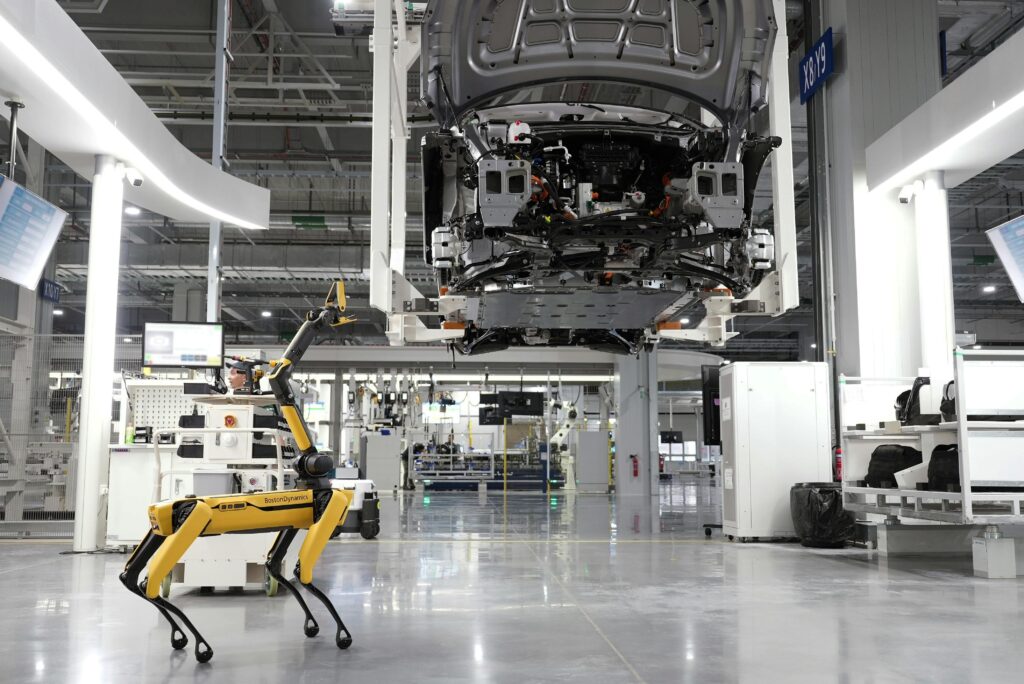
Types of Robots Used in Demolition
Various types of robots are transforming the demolition landscape. Each is designed for specific tasks, enhancing efficiency and safety.
One popular choice is the remote-controlled excavator. These machines can tackle heavy structures with precision while operators remain at a safe distance. They excel in tight spaces where traditional methods might struggle.
Another innovative option is the robotic arm, which specializes in delicate dismantling work. Its agility allows it to perform intricate operations without causing unnecessary damage to surrounding areas.
Drones have also entered the scene, providing aerial assessments before demolition begins. They offer real-time data that guides planning and execution, ensuring smoother operations on-site.
There are specialized robots equipped for hazardous environments. These machines handle toxic materials or unstable conditions that would put human workers at risk. Their deployment marks a significant shift towards safer practices within the industry.
Safety Measures and Regulations for Robotic Demolition
Safety is paramount in any demolition project, and robotic technology brings a new layer of oversight. Operators must adhere to strict regulations designed to protect both workers and the surrounding environment.
Before deploying robots, thorough risk assessments are essential. These evaluations help identify potential hazards related to machinery operation and site conditions. Training programs equipped with simulations prepare operators for real-world scenarios, ensuring they can respond effectively.
Robots often incorporate advanced sensors that detect structural weaknesses or hazardous materials like asbestos. This feature significantly reduces risks during dismantling operations.
Moreover, maintaining clear communication between human teams and robotic systems enhances safety protocols. Regular inspections of equipment ensure that all machines function correctly before entering active sites.
Compliance with local laws governing construction practices is crucial as well. Adhering to these rules not only safeguards personnel but also promotes best practices within the industry.
The Future Impact of Robotic Technology on the Demolition Industry
The landscape of the demolition industry is on the brink of a significant transformation. As robotic technology continues to evolve, it promises to enhance efficiency and safety in demolition processes. These machines are not just tools; they represent a shift towards smarter construction practices.
Imagine job sites where human workers can focus on strategic decision-making while robots handle dangerous tasks. This could drastically reduce workplace accidents and injuries. Additionally, with advancements in AI, these robots could analyze structures more effectively, determining the safest and most efficient ways to dismantle them.
Sustainability will also play a crucial role as robotic technology becomes more prevalent. With precise control over deconstruction techniques, materials can be salvaged for reuse or recycling more easily than traditional methods allow.
As we look ahead, it’s clear that robotics will shape not only how we approach demolition but also how projects are completed overall. The integration of this technology offers exciting possibilities for innovation within the industry—this is just the beginning.