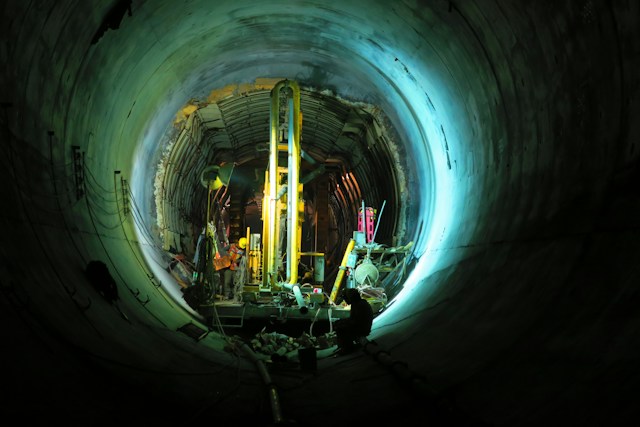
Sometimes, some of the most tragic accidents start from a gesture of goodwill. An employee collapses within a tank, and his/her colleague comes to his/her aid but ends up collapsing himself/herself. Confined spaces work against the body’s natural instincts, and this is the very reason why confined space skills need frequent refreshing.
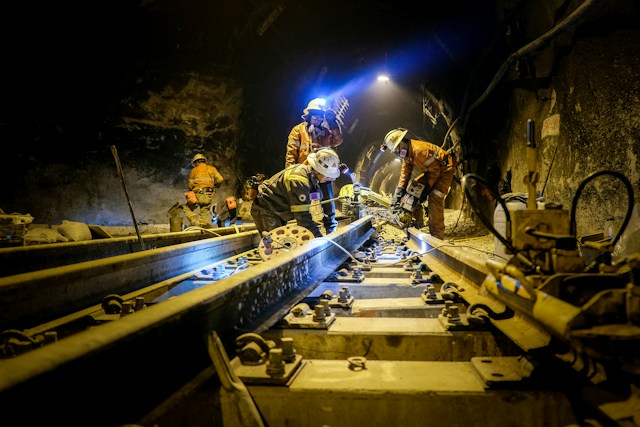
What Qualifies As A Confined Space?
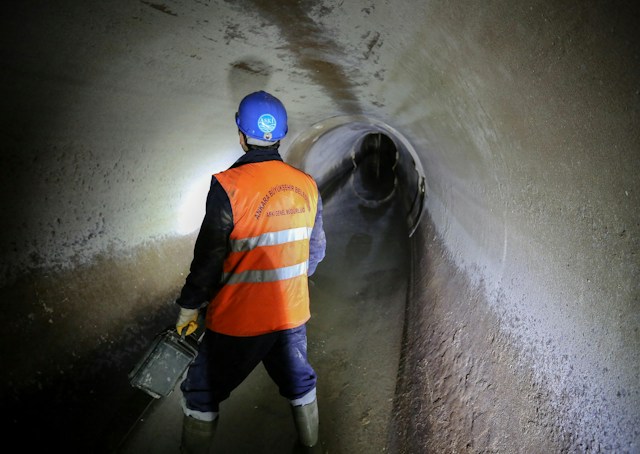
As per the model work health and safety laws, which a confined space refresher course revisits, a confined space is not just any enclosed area. It needs to be an enclosed or partially enclosed area that is not meant primarily for occupation by anyone. It has to be able to remain at atmospheric pressure when a person is within it.
The final criterion for determining a confined space is the presence of certain hazards:
- Contaminants present in the air
- Unsatisfactory oxygen level
- Substances which can cause fire or explosions
- Entombment by free-flowing solids like grain or sand
This list includes tanks, silos, pits, sewers, vats and storage bins. A ceiling void or a crawl space cannot automatically be considered a confined space, and its qualification will depend on the existence of these specific hazards. Occupational health and safety regulations in Victoria are different.
Why These Spaces Can Catch People Out Cold?
Low oxygen levels often sneak up on you without any warning signs at all, no smell to tell you something’s wrong. Worst of all, some gases like hydrogen sulphide can even knock out your sense of smell, taking away a vital warning that you might otherwise rely on.
Grain or powder just sort of pours in and can bury a worker in no time flat. And then there are all the leftover chemicals that can release fumes when you start cleaning or doing repairs on a space. It’s an all-too-common sight for would-be rescuers who rush in without any breathing equipment; they get trapped too, and it’s a terrible tragedy that repeats over and over again.
What The Law Says About Before Anyone Enters?
Before anyone goes in, the law demands that businesses do some basic stuff. First up, you need to do a risk assessment, and then get a written entry permit issued for the job. You also need to put up signs warning anyone else about the space, and make sure you’ve got a designated standby person staying outside to keep an eye on things.
The Model Code of Practice for confined spaces explains how all this stuff is supposed to work in real life. But, and this is a big one, the rules can vary slightly depending on the state or territory you’re in, so make sure you’re following the local safety regulator’s rules.
Just having a permit on paper isn’t going to keep anyone safe, either. Inspectors and supervisors are now expecting workers to actually know what they’re doing, to explain their thought process and not just the fact that they’ve got a signed permit.
What A Refresher Brings You Back To?
A refresher course gets experienced workers back to the basics, using all the latest equipment and doing some realistic training scenarios. Usually this means a mix of classroom review and hands-on training. The main topics covered tend to be:
- Figuring out whether a space actually meets the legal definition of a confined space.
- Checking the air for oxygen, flammable gases and toxic substances.
- Making sure that gas detectors are calibrated and working properly before you even think about using them.
- Getting all the pipes, power sources and moving machinery safely isolated.
- Setting up ventilation and keeping a close eye on it throughout the work.
- Working out the standby person’s role and how you’ll communicate if something goes wrong.
And right in the middle of all this is emergency response. Workers get to practise rescue using things like tripods, winches and harnesses, until it becomes second nature. When the alarm sounds, you need to have the training to react before panic sets in.
Practice That Really Builds Confidence
Scenario training is one of the best bits of a modern refresher course. Practice entries let workers rehearse all the permit checks, air testing and communication under stress, just like they would in a real-life situation. The great thing about practice is that it’s okay to make mistakes; you’re not going to get hurt, but if you mess up in real life, it could cost a life.
And to really drive the point home, they often tell real-life stories about what’s gone wrong. That way workers tend to remember things like how skipping that retest after a lunch break can lead to disaster. Those stories tend to stick with you long after the theory has started to fade.
Who Should Refresh, And When?
The thing is, confined space work involves a lot of different people, and each one of them needs to be current on their skills. The people doing the actual work are right at the front line of the dangers, but the folks on standby need to be able to raise the alarm and kick off a rescue if something goes wrong. And the supervisors and permit issuers need enough knowledge to spot the potential problems before things get started.
When it comes to refreshers, it’s usually the employer or the site that sets the timing, but in some cases it’s industry requirements that drive the schedule. And on top of that, you should probably retrain after any incident, or if you get new equipment or change up how you do things on the site.