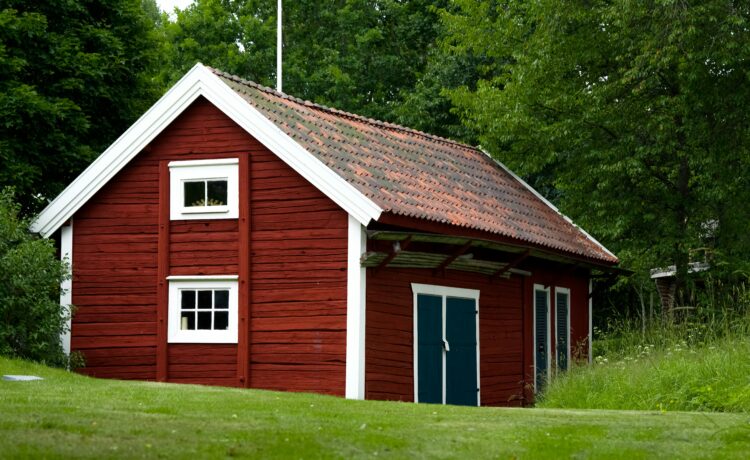
Granny flats have become a hot topic in real estate circles. These compact, self-contained living spaces offer more than just extra room; they are a versatile solution for homeowners looking to enhance their property’s potential. Whether it’s accommodating family members, creating rental income, or simply providing additional space for hobbies and guests, granny flats can transform the way you use your home. With rising housing costs and evolving lifestyle needs, understanding the value of adding a granny flat is essential. Let’s dive into why these cozy additions might be the perfect choice for your property!
Why Adding a Granny Flat is Beneficial
Adding a granny flat can be a game-changer for homeowners. These compact living spaces offer flexibility and multiple uses. Understanding granny flat property value can help homeowners consider the potential benefits of adding an additional dwelling to their property.
For families, they provide an ideal solution for aging parents who want to maintain independence while staying close. It creates a supportive environment without sacrificing privacy.
Investors also find value here. A well-designed granny flat can attract tenants or serve as an Airbnb rental. This additional income stream helps offset mortgage costs or contributes to future investments.
Moreover, granny flats promote sustainable living. They maximize existing property space without requiring extensive land purchases.
These units enhance community ties by encouraging multi-generational living arrangements, fostering stronger family bonds and shared experiences in one location.
Increased Property Value
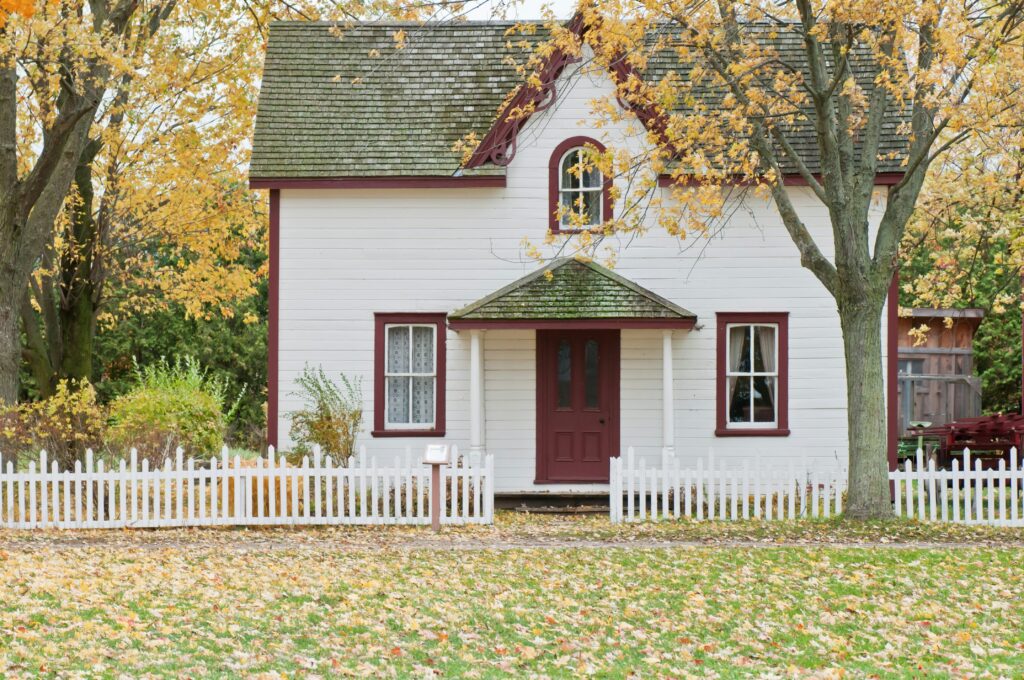
Adding a granny flat can significantly boost your property’s value. In today’s real estate market, versatility is key. A separate living space offers potential buyers more options.
Families appreciate the added accommodation for relatives or guests. It provides privacy while keeping loved ones close, which is increasingly desirable in urban settings.
Investors also see the appeal. Renting out a granny flat can generate extra income, making your property more attractive to prospective buyers looking for investment opportunities.
Granny flats often come with their own amenities, enhancing functionality and comfort. This additional feature sets your home apart from others on the market.
Moreover, as housing shortages continue to rise, properties with supplementary dwellings are becoming increasingly sought after. The future of real estate trends points towards flexible living arrangements that accommodate various lifestyles and needs.
Factors to Consider Before Adding a Granny Flat
Before diving into the exciting world of granny flats, take a moment to assess your property. Zoning laws and local regulations can significantly impact what’s feasible. Understanding these rules is essential before you start planning.
Next, consider your budget. The costs can vary widely based on design, materials, and labor. Having a clear financial plan helps avoid unexpected expenses down the road.
Think about the intended use as well. Will it house family members or be rented out? This decision influences size and layout choices.
Don’t forget about space and aesthetics. Ensure that the new structure complements your home while maximizing available land without overcrowding your yard. Careful consideration now will pay off in comfort later on.
Cost and Time Involved in Building a Granny Flat
Building a granny flat can be an exciting venture, but it’s essential to consider the costs and time involved. The initial investment varies based on various factors such as location, design, materials, and labor. On average, you might expect to spend anywhere from $100,000 to $200,000 depending on these variables.
Planning for permits and inspections is also crucial. This process may take several weeks or even months in some areas due to local regulations. It’s advisable to consult with professionals who understand the ins and outs of your specific locality’s laws regarding secondary dwellings.
Once construction begins, timelines will depend largely on the complexity of your project. A straightforward build could take around three to six months from start to finish if all goes smoothly. However, unexpected issues—like weather delays or supply chain disruptions—can extend this timeframe significantly.
Budgeting for ongoing maintenance after completion is another important consideration that shouldn’t be overlooked. Regular upkeep ensures longevity and helps maintain property value over time.
Understanding these aspects not only prepares you financially but also sets realistic expectations for your granny flat project.