Tattoos can be a beautiful form of self-expression, but sometimes they no longer resonate with who you are. Whether it’s a change in personal taste or an unfortunate design choice, tattoo removal has become increasingly popular. However, the journey doesn’t end once the ink is gone. Proper aftercare is crucial for ensuring your skin heals well and looks its best.
Navigating the tattoo removal process can feel overwhelming, especially when considering how to care for your skin afterward. With the right knowledge and products, you can support healing while minimizing discomfort and side effects. Let’s dive into everything you need to know about caring for your skin post-tattoo removal!
Understanding the Tattoo Removal Process
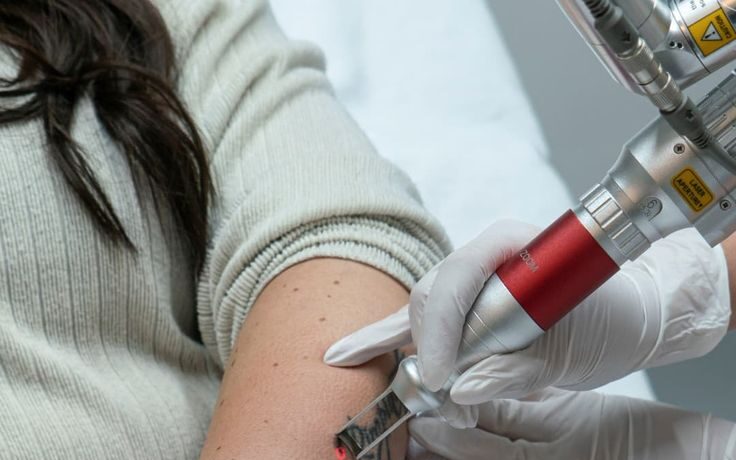
tattoo removal melbourne is a delicate process that aims to break down the ink particles embedded in your skin. Various methods exist, but laser removal is the most common and effective.
During a session, high-intensity light beams target the ink. The energy from these lasers shatters the pigment into smaller fragments. Your body’s immune system then works to flush out these tiny pieces over time.
Multiple sessions are usually required for complete removal. Factors like tattoo size, color, and skin type influence how many treatments you may need. Each session can also trigger different reactions in your skin, so understanding what happens is key.
Regardless of the method chosen, patience is vital as healing takes time. Aftercare plays an essential role in ensuring optimal results and minimizing complications during this journey toward clear skin again.
The Importance of Proper Aftercare
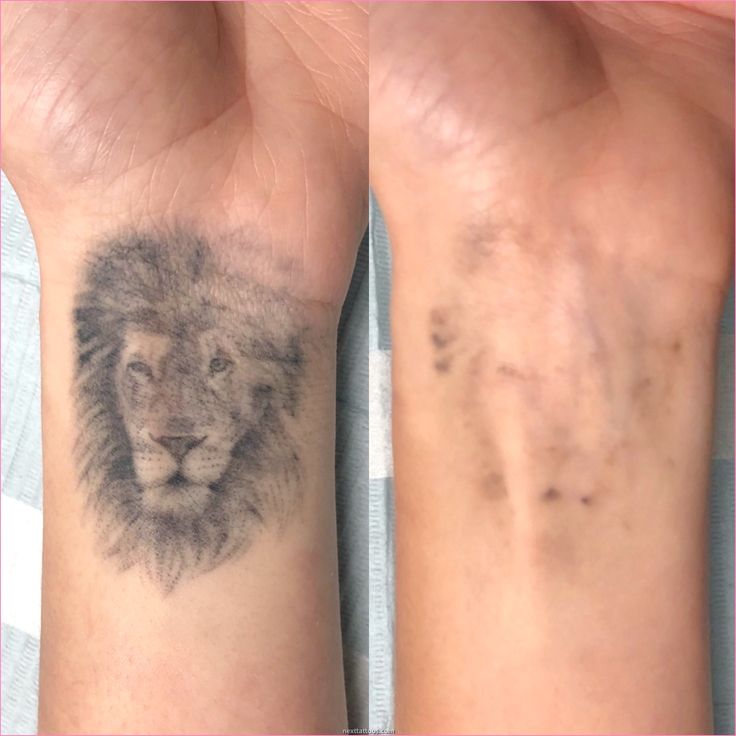
After undergoing tattoo removal, your skin needs special attention. Proper aftercare plays a crucial role in promoting healing and preventing complications.
When you remove a tattoo, the skin experiences trauma. It’s essential to keep the area clean to avoid infections. Gentle cleansing with mild soap can help maintain hygiene without irritating the skin further.
Moisturizing is equally important. Applying a suitable healing ointment or lotion keeps the area hydrated and aids recovery. This step helps minimize scabbing and reduces the chances of visible scars.
Avoiding sun exposure is another key aspect of aftercare. UV rays can hinder healing and cause discoloration in sensitive areas. Covering the treated spot or using sunscreen when outdoors is advisable.
Listening to your body also matters; if something feels off, don’t hesitate to seek guidance from professionals who understand post-removal care better than anyone else.
Recommended Products for Post-Tattoo Removal Care
After tattoo removal, your skin deserves gentle care. Look for fragrance-free moisturizers to hydrate and soothe the area. Ingredients like aloe vera and shea butter can be incredibly soothing.
Consider using a healing ointment or balm specifically designed for post-procedure recovery. These products often contain beneficial ingredients that promote skin renewal.
Sunscreen is non-negotiable. After laser treatments, your skin will be more sensitive to UV rays. Choose a broad-spectrum SPF of at least 30 to protect the delicate new layer.
Avoid harsh scrubs or exfoliants in the early stages of healing. Instead, opt for mild cleansers that won’t irritate the skin further.
Always consult with your dermatologist about specific product recommendations tailored to your unique needs following tattoo removal. Their expertise will guide you toward suitable options that enhance recovery while minimizing discomfort.
Common Side Effects and How to Manage Them
After tattoo removal, you may experience some side effects. These can include redness, swelling, and tenderness in the treated area.
Redness is common right after the procedure but usually subsides within a few days. Applying a cool compress can help soothe irritation.
Swelling might occur as your skin begins to heal. Keeping the area elevated and avoiding strenuous activities will aid in reducing inflammation.
Tenderness is another expected reaction; it’s your body’s way of reacting to treatment. Gentle cleansing with mild soap and water helps keep the area clean without causing further discomfort.
Itching or peeling can also happen as new skin forms over time. Avoid scratching—this could lead to infection or scarring. Instead, use fragrance-free moisturizers designed for sensitive skin.
If side effects persist beyond what feels normal or worsen, don’t hesitate to reach out to your healthcare provider for advice tailored specifically to you.
When to Seek Professional Help
It’s essential to keep an eye on how your skin is healing after tattoo removal. While some redness and irritation are normal, certain signs should prompt you to seek professional advice. If you notice increased swelling or if the area feels warm to the touch, these could indicate an infection.
Persistent pain that doesn’t subside with over-the-counter medication can also be a red flag. Additionally, if blisters form and do not heal or disappear, it’s wise to consult your dermatologist or the clinic where you had the procedure done.
Changing colors in the treated area—such as unusual darkening or significant lightening—might require expert evaluation too. Remember, it’s always better to err on the side of caution when caring for your skin post-tattoo removal.
Regular check-ins with professionals can ensure you’re on track for healthy recovery and provide peace of mind during this transitional period for your skin.