Your home is your sanctuary. It’s where you unwind, create memories, and feel safe from the outside world. But how secure is that peace of mind? When it comes to home security, many homeowners often overlook one critical component: door security. Doors serve as the first line of defense against intruders. If they’re not adequately protected, everything else in your home could be at risk.
In this article, we’ll explore why securing your doors should be a top priority and how even small changes can make a significant difference. Whether you’re moving into a new place or simply want to enhance your existing security measures, understanding door vulnerabilities and solutions is key. Let’s dive in!
The Importance of Door Security
front door lock is often underestimated, yet it plays a pivotal role in protecting your home. A sturdy door serves as the first barrier against unwanted entry. If compromised, everything inside becomes vulnerable.
Think about it: most burglaries occur through unlocked or easily forced doors. Intruders look for quick and easy access, making weak doors prime targets. Investing in quality door security can deter these criminals before they even consider stepping foot onto your property.
Moreover, strong door locks provide peace of mind for homeowners. Knowing that you’ve taken steps to secure your entrance allows you to relax and enjoy your space without constant worry.
In addition to physical protection, a well-secured door enhances overall safety for everyone inside the house—families know they are shielded from potential threats lurking outside. Prioritizing this aspect of home security sets the stage for a safer living environment.
Common Vulnerabilities in Door Security
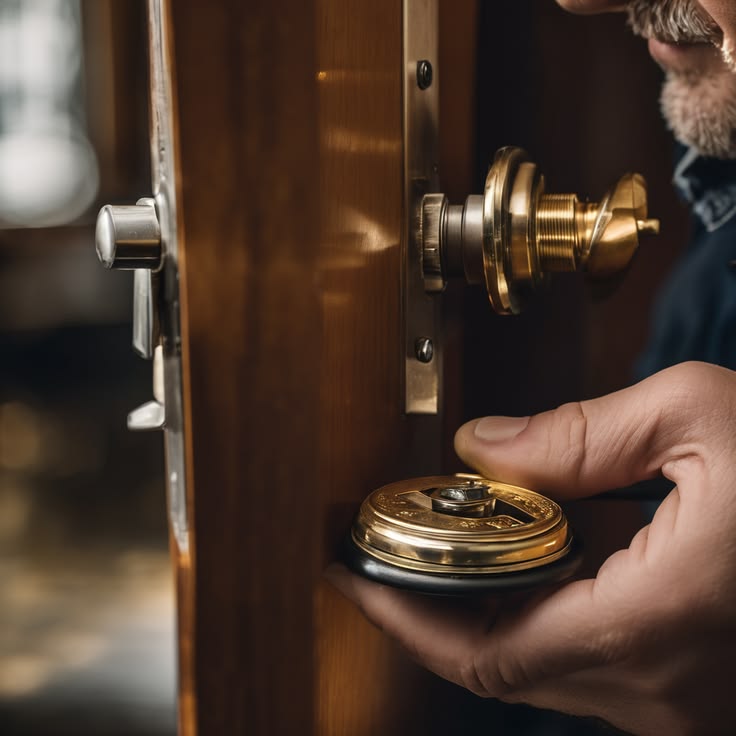
Many homeowners underestimate the vulnerabilities that can exist in their door security. One common issue is weak locks. Standard locks may look sturdy, but they can often be easily picked or bumped.
Another vulnerability lies in the door frame itself. A flimsy frame made of softwood can splinter under force, making it easier for intruders to gain access. Reinforcing frames with metal strips can help mitigate this risk.
Glass panels in doors also pose a significant threat. If your door has windows nearby, an intruder could break the glass and unlock the door from inside without much effort.
Inadequate lighting around entry points creates opportunities for criminals to operate unnoticed. Poor visibility makes any home more appealing to those with malicious intent. Always ensure your entrance areas are well-lit at night to deter potential threats effectively.
Types of Home Security Systems
When it comes to home security, various systems can cater to your specific needs. Traditional alarm systems are reliable. They often feature door and window sensors that alert you when unauthorized entry occurs.
Smart home security systems have gained popularity due to their advanced technology. These systems integrate with your smartphone, allowing remote monitoring and control. You can receive real-time notifications and even view live camera feeds from anywhere.
Wireless security cameras offer flexibility in placement without the hassle of wiring. Many come equipped with motion detection features, enhancing surveillance capabilities.
For those seeking a more comprehensive solution, full-scale security packages frequently combine alarms, cameras, and smart devices into one cohesive system. This approach creates multiple layers of protection for peace of mind at home.
Consider self-monitoring options if you prefer direct oversight over professional services. Your comfort level should guide your choice of a system tailored just for you.
How to Choose the Right Door Locks for Your Home
Choosing the right door locks is essential for ensuring your home remains secure. Start by assessing your needs based on the location of each door and its level of exposure.
Consider lock types, such as deadbolts or smart locks. Deadbolts provide robust resistance against forced entry, while smart locks offer convenience with keyless access and smartphone integration.
Look for high-security features like anti-drill plates and hardened steel components. These measures can deter even the most determined intruders.
Don’t overlook compatibility with your existing doors. Ensure that any new lock fits without extensive modifications to maintain security integrity.
Always check for certifications from recognized standards organizations. This ensures you’re investing in a reliable product that meets industry safety benchmarks.
Other Ways to Improve Door Security
Improving door security goes beyond just choosing the right locks. There are several additional measures you can take to create a more secure environment.
Consider installing a reinforced door frame. A sturdy frame adds an extra layer of protection and makes it harder for intruders to kick in your door. Look for ones made from solid wood or metal, as these materials offer better resistance against forced entry.
Next, think about adding a peephole or video doorbell. These devices allow you to see who is at your doorstep before opening the door. They provide peace of mind and help you avoid unwanted visitors.
Don’t forget about outdoor lighting. Well-lit areas deter potential burglars by increasing visibility around your entrance points. Motion-sensor lights can be particularly effective, illuminating dark corners unexpectedly when someone approaches.
Additionally, consider using smart home technology to enhance your security setup further. Smart locks enable keyless entry through mobile apps or codes instead of traditional keys that can be lost or copied easily.
Remember the importance of regular maintenance on all security features—check locks periodically and ensure they function correctly; replace any worn-out mechanisms promptly.
By incorporating these strategies alongside robust locking systems, you’ll significantly improve your home’s overall security posture at the most vulnerable access point: the front door.