
Navigating the world around us can become a challenge as we age or face mobility issues. However, regaining independence is possible with the right tools at your side. Mobility walking aids are designed to provide support and stability, helping individuals move confidently again. Whether it’s for short trips around the house or longer outings in public spaces, choosing the right aid can make all the difference.
With so many options available, you might feel overwhelmed when selecting a mobility aid that fits your needs. Fear not! This guide will break down everything you need to know about navigating this journey toward greater freedom and autonomy. Let’s explore how these aids enhance everyday life and empower users to embrace their independence once more.
Understanding the Need for Mobility Walking Aids
Many individuals face challenges with mobility due to age, injury, or chronic health conditions. These difficulties can lead to a sense of frustration and dependence on others for assistance. That’s where mobility walking aids come into play.
These devices are not just tools; they represent freedom and autonomy. They allow users to maintain their lifestyle while enhancing safety during movement. Whether it’s preventing falls or providing support on uneven surfaces, these aids offer peace of mind.
Moreover, the emotional aspect cannot be overlooked. Gaining mobility means regaining confidence, an essential component in fostering social connections and pursuing activities you love. With the right aid, everyday tasks become manageable again, allowing individuals to enjoy life without unnecessary obstacles.
Understanding this need is crucial in choosing the appropriate assistive device that aligns with personal circumstances and goals. Each step matters when striving for independence.
Types of Mobility Walking Aids
Mobility walking aids come in various forms, catering to different needs and lifestyles.
Canes are among the simplest options. They offer basic support and balance for those who may need a little extra help while walking.
Crutches provide more stability, especially after surgery or injury. They require upper body strength but allow users to keep weight off injured legs.
Walkers present a sturdy frame with four points of contact on the ground. Many models include wheels for easier maneuverability indoors or outdoors.
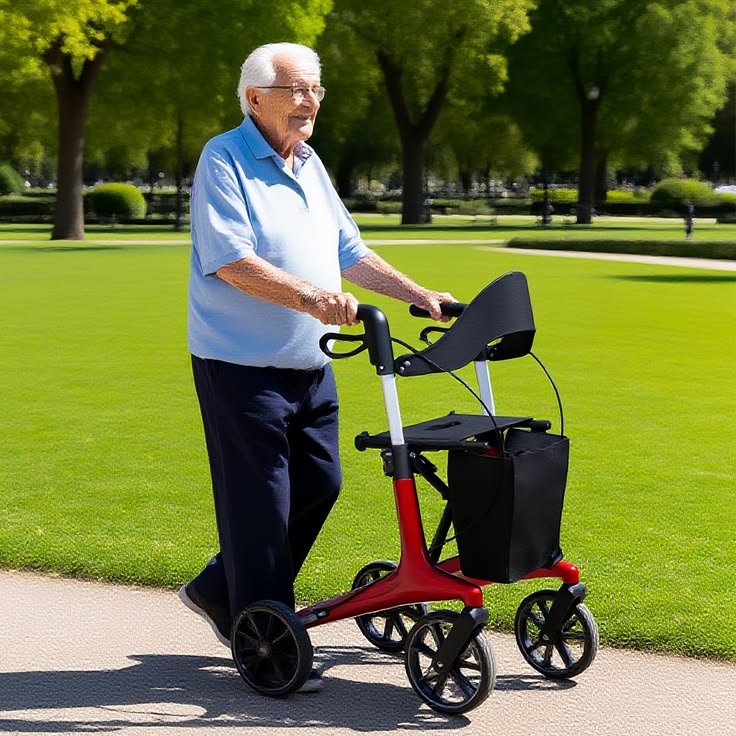
Rollators combine features of walkers and mobility scooters. They have wheels, hand brakes, and often come with seats for resting when needed.
For individuals seeking greater independence, powered mobility scooters can be life-changing. These battery-operated vehicles enable longer distances without fatigue.
Each type has its unique advantages tailored to individual capabilities and preferences.
Factors to Consider When Choosing a Mobility Walking Aid
Choosing the right mobility walking aid involves several key factors. First, assess your specific needs and limitations. Consider stability, balance, and strength when making your selection.
Next, think about the environment where you’ll be using the device. Will it be indoors or outdoors? Some aids work better on different surfaces. This can make a significant difference in safety and ease of use.
Don’t forget to factor in portability as well. If you travel frequently or use public transport, a lightweight option may suit you best.
Comfort is another important consideration. Look for ergonomic designs that support long-term usage without causing discomfort.
Consult with healthcare professionals for personalized advice tailored to your unique situation. Their insights can help guide your decision-making process effectively.
Best Practices for Using Mobility Walking Aids
Using mobility walking aids effectively can enhance your independence. First, always adjust the height of your aid to ensure maximum comfort and support. Your elbows should be slightly bent when holding the handles.
Practice navigating various terrains before venturing outdoors. Different surfaces can affect balance and stability, so familiarize yourself with how your aid responds on grass, gravel, or pavement.
Maintain a strong grip while walking. A firm hold helps prevent slips and ensures you feel secure as you move about. Don’t rush; take measured steps to avoid accidents.
Keep your environment clutter free at home. Remove obstacles that could pose tripping hazards and make it easier for you to navigate safely with your mobility aid. Regularly check the condition of your device too; worn-out parts need attention for optimal performance.
Common Myths and Misconceptions about Mobility Walking Aids
When it comes to mobility walking aids, misconceptions abound. Many people believe that using these devices signifies weakness or loss of independence. This couldn’t be further from the truth. Mobility aids are designed to enhance freedom, not diminish it. They allow individuals to navigate their environment with confidence and safety.
Another myth is that only elderly people need walking aids. While seniors often benefit from such devices, younger individuals or those recovering from injury can also find them invaluable. Everyone deserves support when facing mobility challenges, regardless of age.
Some folks worry that using a walking aid will make them reliant on it permanently. In reality, these tools can empower users by providing stability and strength during recovery phases or chronic conditions. The aim is always to enhance one’s ability to move freely rather than create dependency.
There’s also an idea floating around that all mobility walking aids look bulky or unattractive. Today’s market offers a wide variety of stylish options tailored for different needs and preferences so users don’t have to sacrifice personal style for functionality.
There is the assumption that learning how to use a mobility aid is complicated and time-consuming. However, most modern devices come with easy-to-follow instructions and can be quickly adapted into daily routines with practice.
Understanding these myths helps pave the way for making informed choices about mobility aids choices that promote greater independence and improved quality of life.